

Relay Setting Calculation and Coordination curves
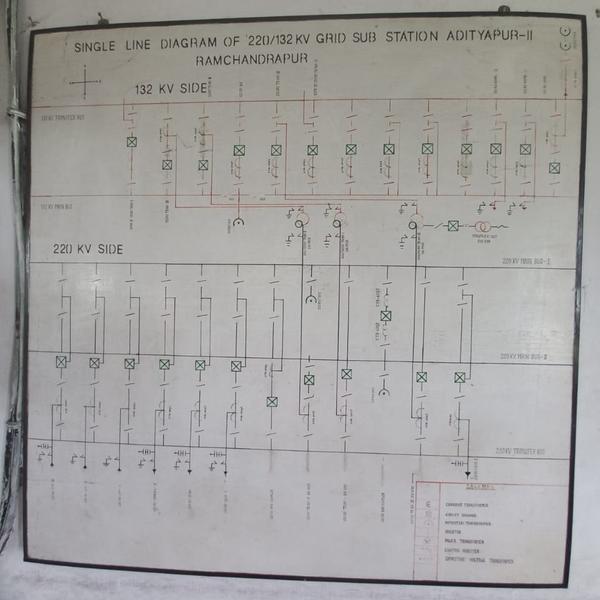
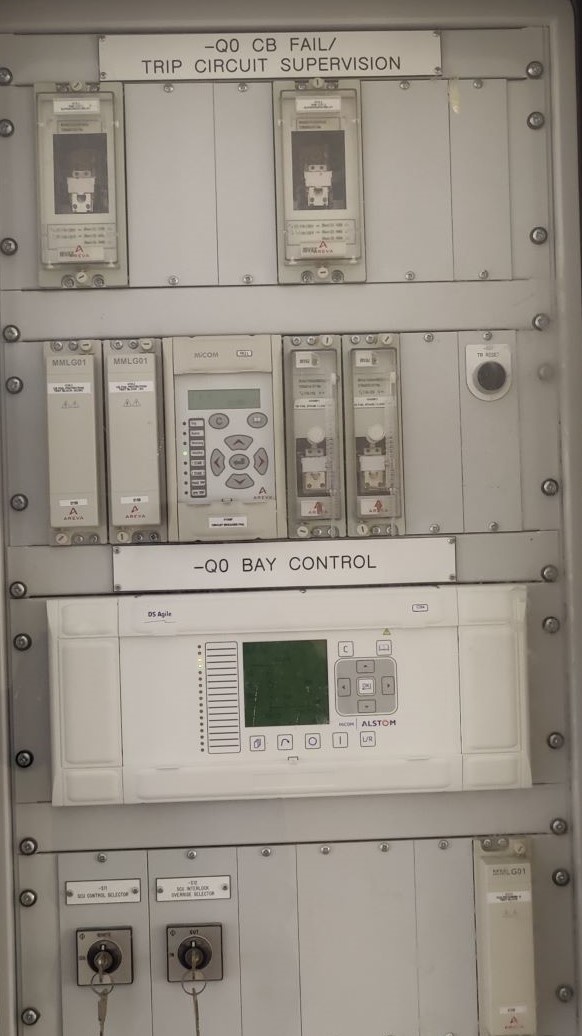
In large electrical systems (HV or LV), there are several branches in the system which feed to different loads of the system. Each branch of the system is protected by either a fuse or a circuit breaker. When a branch is protected by such a circuit breaker which does not have its own built in overcurrent or short circuit protection, a protection relay is connected at the secondary of the current transformer to actuate the tripping of the circuit breaker by sensing an overcurrent or short circuit or earth fault condition in the branch. The tripping time of the CB can be varied by changing the trip setting of the Relay.
A branch may have more than one circuit breaker. To introduce discrimination between the tripping times of the upstream and downstream relays, the time and current settings of the Relays are adjusted so that the downstream CB trips first before the upstream CB.
Generally a time discrimination of 200 to 300 ms is considered between the CBs. Such relay setting can be achieved either by MS Excel (by drawing curves in Excel) or by software like ETAP etc.
Satcon is practicing such Relay setting calculations for EHV, HV and LV electrical systems starting from 400kV to 415V and has contributed to many projects of utilities and Industries.